What Is the Seven Branched Menorah Called and Why Seven?
The seven-branched candelabrum known as the menorah holds a unique and sacred place in Jewish tradition, symbolizing profound spiritual concepts tied to the number seven. Unlike the nine-branched menorah used during Hanukkah, this particular menorah, traditionally called simply the menorah, dates back to the Tabernacle and later, the Temple in Jerusalem. Its seven lamps not only illuminate ritual spaces but also echo ancient cultural symbols, intersecting with astronomy, calendrical time, and even modern symbols of luck, such as the Lucky 7 in slot machines.
The Seven Branched Menorah: Name and Historical Context
The seven-branched menorah is often just called "the menorah" because it predates the nine-lamp version used during the festival of Hanukkah. This menorah features a central shaft with three branches on each side, totaling seven candle holders. It was originally crafted according to divine instructions given to Moses on Mount Sinai and placed in the Tabernacle, later becoming a fixture of the Holy Temple.
According to HISTORY (history.com), the menorah is one of the oldest symbols of Judaism, representing enlightenment, divine wisdom, and the presence slot game nostalgia guide of God. The lamp stand was traditionally made of pure gold, radiating a sacred glow in the holy space.
Why Seven? The Judaic Significance of the Number Seven
The choice of seven branches is deeply symbolic and is rooted in Jewish numerology, cosmology, and religious practice. The number seven is one of the most significant numbers in Judaism, as detailed in numerous sacred texts and traditions.
- Creation and Completion: The world was created in six days and God rested on the seventh, making it a day of sanctity — Shabbat.
- The Seven-Day Week: Jewish and many global cultures use a seven-day week structured around a sacred time cycle.
- The Seven Branches: Symbolize perfection, completion, and the seven classical planets visible in ancient astronomy (Sun, Moon, Mercury, Venus, Mars, Jupiter, Saturn).
- Spiritual Wholeness: The seven lamps represent knowledge and creation spreading light in the world.
This theme of sacred time symbolism and cosmic order makes seven more than just a mere number — it is a concept of divine completeness and eternal rhythm.
Judaism Number Seven: Exploration of the Concept
The number seven appears throughout religious texts and practice, earning the epithet "Judaism number seven." For example:
- Seven days of creation, culminating in Sabbath.
- Seven blessings at Jewish weddings.
- Seven weeks counted in the Omer between Passover and Shavuot.
- Seven species of agricultural produce native to the Land of Israel.
- Seven circuit walks around the holy sites during specific rituals.
The menorah’s seven branches form a visual and symbolic representation of all these mystical and ritual elements, reaffirming the profound meaning of sacred time and divine order.
Seven in Astronomy: The Seven Visible Celestial Bodies
Before modern astronomy, ancient cultures, including the Israelites, recognized seven "planets" visible to the naked eye: the Sun, Moon, Mercury, Venus, Mars, Jupiter, and Saturn. These celestial bodies were associated with the passage of time and cycles of nature.
The menorah’s seven lamps might also reflect this ancient understanding of the cosmos. Fire and light from the menorah symbolically link to the light of the seven heavenly bodies, reinforcing themes of enlightenment and divine presence.
Seven as a Fast-Recognized Slot Symbol: Lucky-7 and Cultural Memory
Beyond religious symbolism, the number seven permeates modern culture as a symbol of luck and fortune, especially in gambling and entertainment. The "Lucky-7" is one of the most enduring and instantly recognizable symbols on both traditional and modern slot machines.
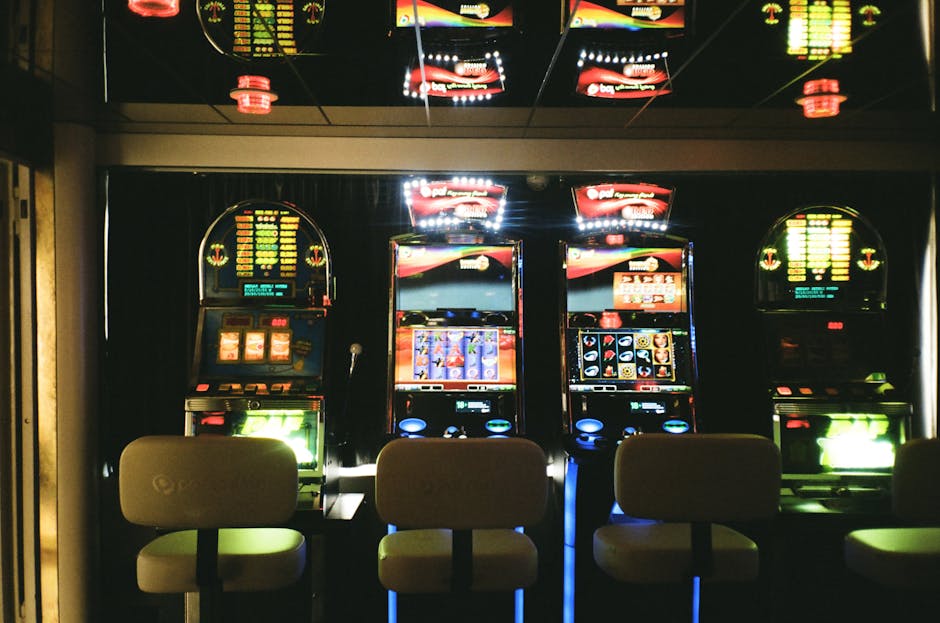
On a traditional slot machine — those iconic mechanical reels you might find in a casino or featured in games by companies like MrQ (mrq.com) — the seven often acts as a high-value symbol, representing jackpots or bonus payouts.
Today, this symbolism carries over to modern digital slots, where the Lucky-7 remains a treasured element of game design. The prevalence of the number seven in slots taps into a broader cultural memory, where seven is linked to luck and auspicious outcomes rather than strict mathematical logic.
Seven Symbolism Comparison: Ancient Menorah vs. Slot Machines Aspect Seven Branches Menorah Lucky-7 Slot Symbol Origin Ancient Temple ritual object rooted in Judaism Modern gambling machines, evolving from mechanical reels Symbolism Divine light, sacred time, cosmic order Luck, fortune, jackpot wins Function Religious ritual lighting and symbol of enlightenment Game icon providing monetary reward or bonus Recognition Fast-recognized religious icon globally Fast-recognized lucky symbol in slot gaming culturesLinking the Sacred Time Symbolism to the Seven Branches Menorah
The seven branches of the menorah visually embody the idea of sacred time symbolism. Each lamp represents an aspect of divine order—whether it be the days of creation or the visible heavenly bodies—that structures how time and spirituality interact.
Together, they act as a unifying emblem, reminding practitioners of the cycles of rest, work, celebration, and reflection. Many observers see the menorah not simply as a physical object but as a symbol of the temporal rhythms that govern sacred Jewish life.
How the Menorah's Symbolism Crosses Over to Pop Culture
Cultural touchpoints like the Lucky-7 slot symbol bridge the ancient with the contemporary, echoing old meanings of seven as “complete” or “fortunate.” Companies involved in online gaming, like MrQ, leverage such symbols due to their widely recognized positive connotations, even if players don't consciously connect these back to ancient religious or astronomical roots.
This intersection of sacred and popular symbolism showcases how the number seven remains potent across millennia and media—from a sacred Jewish lampstand to flashing slots in casinos and online gaming hubs.
Conclusion
The seven-branched menorah is much more than a ritual artifact; it is an enduring symbol embodying the essence of judaism number seven — a number that represents sacred time symbolism, divine completeness, and cosmic order. Its lamps connect historical religious practice with ancient astronomy and continue to resonate today in secular contexts, like gaming and pop culture, through the ubiquitous Lucky-7 slot symbol.
Whether viewed through a religious lens or appreciated for its broader cultural impact, the menorah’s seven branches offer a powerful reminder of humanity’s ongoing fascination with the number seven: as a marker of luck, completion, and sacred rhythm.
For more detailed explorations on Jewish symbols and their cultural significance, visit HISTORY (history.com) and for modern gaming incorporating classic symbols, check out MrQ.