How Can a Game Use Seafood Themes Without Even Showing a Fisherman?
Seafood themes evoke an almost universal nostalgia—whether it's the calming lap of waves, the excitement of the big catch, or the vibrant underwater world teaming with life. Usually, when games invoke seafood imagery, we expect fishermen, boats, and the gritty labor of hauling in nets. But what happens when a game embraces seafood themes while deliberately keeping fisherman figures out of view? How can the essence of the sea, fishing's suspenseful story, and the charm of aquatic life still shine through? In this post, we dive deep into how games can do exactly that, illustrated through examples and insights from unexpected yet relevant sources like the MrQ online casino game catalogue and the Western Australian Museum's exhibit and gallery pages.
Fishing as Built-In Suspense and Story Structure Without Fishermen
The drama of fishing—the tension between patience and rush, hope and disappointment—is a powerful narrative engine. In many games, the figure of https://knowseafood.com/from-lobsters-to-lucky-fish-why-seafood-themes-keep-appearing-in-casino-games/ the fisherman acts as the protagonist, anchoring us in their quest for the big catch. However, a game can convey that same suspense without actually showing any human character at all.
How? By focusing on the symbols of fish and shellfish themselves as the story’s protagonists. MrQ’s online casino catalogue, for example, is filled with slots that lean heavily into fish and shellfish symbols, weaving tension and reward around catching or revealing these creatures. The chase becomes abstract but still palpable. Players anticipate landing that prized lobster claw or shimmering school of fish, a metaphor for the elusive 'big catch' moment. Without a fisherman in sight, suspense builds in arcs of anticipation and surprise rooted in the environment and the symbols themselves.
Think of it as a story told entirely through the ecosystem: the darting movement of a crab silhouette, the flash of bright coral red or electric blue scales suggesting a rare find. The narrative is no longer about the laborer of the sea but about the sea’s own rhythms and treasures. Games using this approach tap directly into our fascination with nature rather than human endeavor.
Mood Control Through Story Beats
- Calm Leisure: Envision a serene reef with pastel coral shapes and sleepy fish drifting lazily—an underwater Eden inviting relaxed gameplay.
- Danger & Suspense: Suddenly darker blues and shadowy shapes of predatory fish set a foreboding scene, replicating the thrill of uncertain outcomes.
- Hard Work at Sea: Without fishermen, this can be abstracted as stormy waters, turbulent currents, or frantic schools of fish frantically evading capture—a metaphorical hard day fishing.
The Western Australian Museum’s online gallery pages demonstrate how mood can be layered using just marine life and environment visuals. Their richly curated coral reef displays with detailed fish and shellfish imagery show that mood isn’t solely the domain of human drama—it can be masterfully evoked by marine ecosystems themselves. Exactly.. Games can borrow this subtle mood control to make boat-free sea themes come alive.
Recognizable Silhouettes and Bright Marine Color Palettes
One of the most effective tools for seafood-themed games without fishermen is the use of iconic fish and shellfish silhouettes. The instant recognition—lobster claws, crab pincers, prawn curls, and flatfish outlines—grounds the player in the seafood motif immediately.
Color plays a huge role here. The natural palette of an underwater world—from blazing coral reds to luminous aquamarines—creates vibrant, stunning visuals that are both inviting and mood-setting. MrQ’s slot games, for example, lean heavily into these bright marine color palettes, signaling to players that they’re diving into an immersive aquatic adventure—without a deckhand or fishing net in sight.
Using silhouettes simplifies iconography, making symbols clear at a glance and easy to identify, which is essential for fast-paced slot action or mobile gameplay. It also avoids the overused fisherman trope altogether, keeping the theme fresh. Plus, those sharp shapes—claws reaching, fins slicing, shells spiraling—add visual energy and movement, helping to animate the reel or game board.
Example Table: Iconic Fish & Shellfish Symbols and Their Mood Roles
Symbol Description Mood Function Red Lobster Claw Bright, bold shape often paired with sparkles Big catch winner, symbolizes jackpot bonus Crab Silhouette Sharp pincers in motion, often black outline on blue background Luck symbol or minor catch, adds dynamic tension Colorful Reef Fish Orange, yellow, and blue colored fish swimming in schools Calm leisure, environment mood builder Clam or Oyster Shell Shiny white or pearl glistening shells Bonus metaphor for hidden rewards, treasureBig Catch as a Natural Bonus-Feature Metaphor
A common feature in seafood-themed games is the ‘big catch’ bonus scenario. Despite the absence of fishermen, this moment of triumph—the capture of a prized marine animal or discovery of a rare shellfish—can be represented symbolically and tied directly into gameplay mechanics.
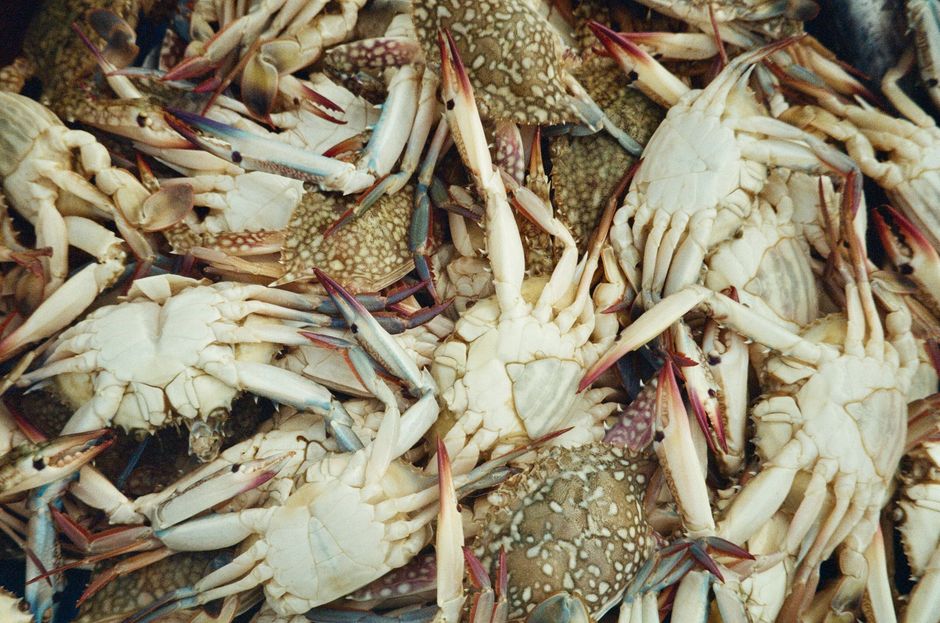
In many MrQ games, the big catch appears as a lightning-quick animation of a massive lobster or giant fish swooping onto the screen, triggering multipliers or free spins. This offers players the emotional rush of victory without needing a story about hauling nets or risking life on a fishing boat.
It works beautifully because the big catch is a universal symbol of reward and success. Players don’t need a fisherman’s face to feel the excitement; they see the fish, the claw, the shellburst glitter, and immediately understand this is their jackpot moment. The simplicity of this metaphor frees developers to embrace more imaginative underwater worlds.
Boat-Free Sea Themes: Capturing the Underwater World Setting
Removing fishermen, boats, or decks from the equation opens creative doors to depict the sea from entirely new perspectives. Let me tell you about a situation I encountered made a mistake that cost them thousands.. Instead of stormy decks or plank creaks, games can focus on:
- Coral reefs: colorful, detailed, and lively ecosystems.
- Deeper ocean trenches: mysterious, dark, and tense environments perfect for thriller moods.
- Schools of fish and shellfish: dynamic, almost choreographed movement creating rhythm and pacing.
- Ancient shipwrecks: silent monuments providing treasure-hunting ambiance without showing the crew.
The Western Australian Museum's digital exhibits showcase some of these underwater world settings with exquisite detail and educational value. These museum pages inspire game designers to source visual and thematic cues straight from nature and history rather than overused coastal labor narratives.
Mood Through Environment, Not Human Drama
In this kind of fish-and-shellfish-centric underwater world, mood controls come from lighting, color, and soundscapes:
- Soft ambient light filtering through water for calm gameplay sessions.
- Sudden shadows or glimmers hinting at something lurking to build suspense.
- Swirling currents and bubbles to simulate the hard work and chaos of ocean life.
By focusing on these elements, games successfully evoke the range of emotions connected to seafood and the sea while leaving out the familiar fisherman image. It avoids repetitive tropes and lets the natural marine world become the hero.
Wrapping Up: The Power and Freshness of Silent, Seafood-Centered Games
Seafood themes are incredibly rich and engaging for games, but the default tendency to include fishermen as protagonists or narrative anchors can limit creativity and mood variety. As demonstrated through the lens of MrQ’s online casino game catalogue and the Western Australian Museum’s marine life exhibits, games can master the seafood setting without ever showing a single fisherman.
By focusing on:
- Fish and shellfish symbols with bold silhouettes and vivid colors,
- Mood control through underwater environment art and soundscapes,
- Big catch bonuses as natural metaphors of reward,
- Story arcs built on suspense and the rhythms of marine life,
developers offer immersive, fresh, and deeply symbolic seafood experiences. These “boat-free sea themes” let players dive into the mysteries and magic of the ocean from a new vantage point—sometimes with just the flash of a claw or shimmer of a pearl to tell the whole story.
Next time you browse seafood-themed games on MrQ or marvel at underwater exhibits at visit.museum.wa.gov.au, notice how the sea tells its own stories even without a fisherman on deck. The ocean’s mood, colors, and creatures can themselves become thrilling narratives, capturing hearts and wallets alike.